Pet Surgery Fayetteville

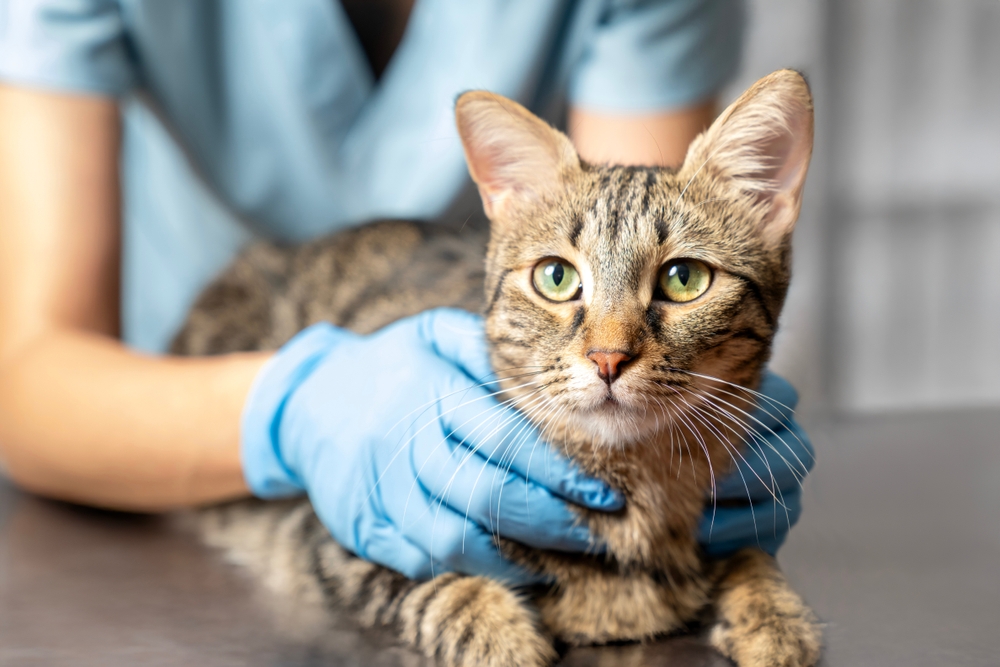
Cat Care of Fayette is a cat-exclusive veterinary practice, and that distinction shapes every aspect of the pet surgery Fayetteville cat owners receive here. Dr. Brittney Kilgore, DVM and our feline-focused team bring specialized veterinary care and individualized surgical protocols to every case, because cats have unique physiological needs that generalist practices simply are not built around.

Every patient receives a personalized anesthesia plan, thorough pre-surgical physical exam, and compassionate post-operative care in a stress-free environment designed entirely for feline patients.

Request Appointment

How Stress Affects Surgical Outcomes in Cats

Cats are physiologically wired to mask pain and hide vulnerability, which means stress does not just make them uncomfortable. It directly affects how safely they move through a procedure. Elevated cortisol levels raise heart rate and blood pressure before a cat even enters the operating suite, increasing anesthetic risk and complicating monitoring. That clinical reality shapes every protocol used in feline veterinary care.

A stress-free environment is not an amenity. It is a medical requirement for cats undergoing a procedure. When cats are calm before and after treatment, anesthesia doses can be more precise, recovery is faster, and post-operative care complications are less likely. That is why managing feline stress is built into every step of care here.

How We Care for Your Cat Before, During, and After Surgery

We Start With a Complete Pre-Surgical Physical Exam

Before scheduling any procedure, Dr. Brittney Kilgore, DVM performs a thorough pre-surgical physical exam to evaluate your cat’s overall health from nose to tail. This exam reveals how your cat’s heart, lungs, and organ systems are functioning and helps identify any underlying conditions that could affect surgical safety. Nothing moves forward until we are confident your cat is a strong candidate and we have every detail needed to proceed.

No Two Cats Get the Same Surgical Plan

Once the pre-surgical physical exam is complete, we run bloodwork tests and a chemistry panel to assess kidney function, liver health, and other markers that directly influence anesthesia decisions. Every cat metabolizes sedation differently based on age, weight, breed, and health status, and a one-size-fits-all approach to surgery does not work here. Dr. Kilgore uses those results to build a fully individualized anesthesia and surgical plan made specifically for your cat.

Your Cat Is Monitored Every Minute in the Surgical Suite

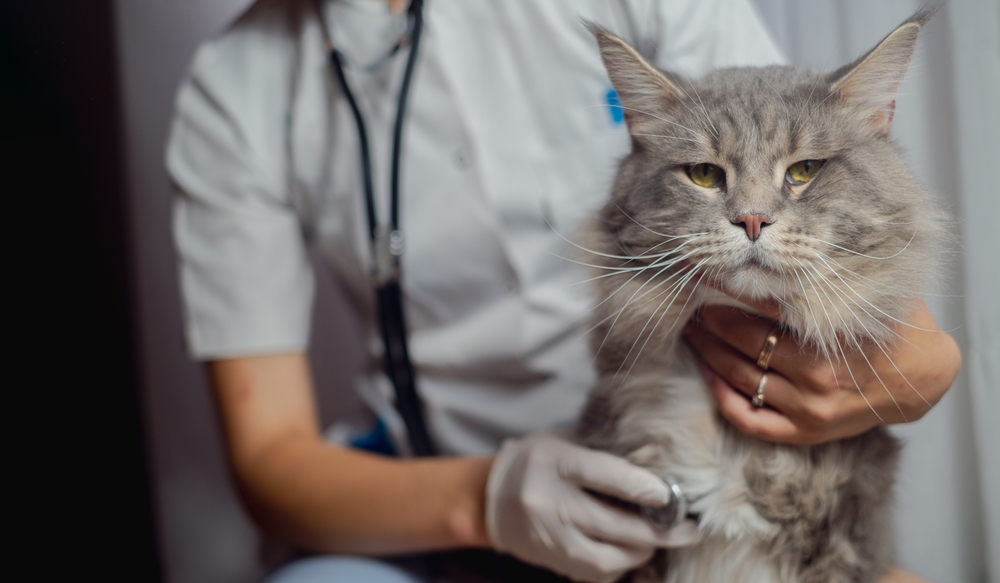
On the day of surgery, your cat is cared for inside our sterile surgical suite by a team trained exclusively in feline veterinary care. Surgical monitoring runs continuously from the first moment of sedation through the final stages of the procedure, tracking heart rate, oxygen saturation, blood pressure, respiratory rate, and body temperature in real time. That level of attention is not standard everywhere. It is the direct result of a practice built entirely around cats.

Sending You Home With Everything You Need for Recovery

Post-operative care begins before your cat leaves our clinic. We walk you through recovery instructions covering wound care, activity restrictions, feeding guidelines, and medication schedules so there is no guesswork once you get home. You will know exactly which signs to watch for during your cat’s surgical recovery and when to call us, because good post-operative care at home is just as important as what happens in the surgical suite.

Follow-Up Visits Confirm Your Cat Is Healing on Track

Recovery does not end at discharge, and neither does our involvement in your cat’s surgical care. We schedule follow-up appointments so Dr. Kilgore can examine the surgical site, remove sutures when ready, and verify that healing is progressing as expected. Our team stays available between visits too, and consistent veterinary surgical care means staying connected with you through every stage of your cat’s recovery.

Why Choose Our Approach to Pet Surgery

Cat Care of Fayette is a cat-exclusive veterinary practice, which means everything from exam rooms to surgical protocols has been designed specifically for feline patients. There is no waiting room noise from barking dogs, no one-size-fits-all approach to medicine. Just a calm, stress-free environment staffed by people who have dedicated their careers entirely to cats.

Dr. Brittney Kilgore, DVM brings veterinary care expertise and genuine compassion to every case. Our practice has a family feel that clients notice from their very first visit, and that warmth extends into every aspect of your cat’s surgical experience. Your cat is never just a case number here. They are a patient we are invested in helping heal.

FAQs

How do I know if my cat needs surgery?

A surgical procedure is typically recommended when a condition cannot be effectively treated through medication, dietary changes, or other non-invasive approaches. Signs that may indicate a need for evaluation include lumps or growths, difficulty urinating, limping, abdominal pain, or wounds not healing properly. A thorough exam with your veterinarian will help determine the right course of action.

What happens before my cat's surgery?

Prior to any surgical procedure, your cat will receive a pre-surgical physical exam along with bloodwork tests and a chemistry panel to assess organ function and overall health. These results help us build the safest possible anesthesia plan for your cat. Our team will walk you through fasting instructions and what to expect on the day of the procedure.

How is pain managed during and after pet surgery?

We use integrative pain management protocols tailored to each cat’s size, age, health status, and the procedure performed. This may include pre-operative sedation, intraoperative analgesia, and take-home medications to keep your cat comfortable throughout recovery. Our goal is for your cat to wake up calm and heal with minimal discomfort, and pain management is central to every surgical plan we create.

How long does recovery take after surgery?

Recovery time varies depending on the procedure type, your cat’s age, and overall health. Minor soft tissue procedures may need only a few days of restricted activity, while more complex surgeries may require several weeks of careful monitoring. Your veterinary team will provide a clear recovery timeline and instructions for each stage.

Is it safe to have my senior cat undergo surgery?

Age alone does not disqualify a cat from a procedure. What matters most is overall health and the risk-benefit balance of the treatment. Senior cats receive particularly thorough pre-surgical physical exams, bloodwork tests, and customized anesthesia protocols to minimize risk. Our team takes additional precautions with older patients, including enhanced monitoring. If a procedure is the right option for your senior cat, every step will be taken to keep them safe and comfortable.