
Cats hide discomfort well, and by the time symptoms show, a health problem may already be well underway. Dr. Brittney Kilgore and the team at Cat Care of Fayette know this, so every surgical and dental case gets careful, personal attention. Routine procedures and complex surgeries both come with anesthesia protocols made for cats, integrative pain management, and calm, focused care that supports a smoother recovery.
Surgery and Dental Care

Why Cats Hide Pain Until It Becomes a Problem

Cats are wired to mask discomfort, an instinct from their wild ancestors, who couldn’t afford to look weak. A cat with a painful tooth, a growing lump, or a developing urinary blockage can seem totally fine until the problem is serious. By the time behavior changes become obvious, the problem has often been there for weeks or even months.
That’s why cats need extra attention during surgery and dental care. A cat that stops grooming, eats less enthusiastically, or quietly withdraws may be telling you something that only a thorough exam can uncover. Catching these small changes early can keep a manageable problem from becoming an emergency.

Procedures Designed With Your Cat in Mind
Cat Care of Fayette offers a full range of surgical and dental services built around the needs of cats. Every procedure comes with a cat-specific protocol and individualized pain management to keep your cat as comfortable as possible.
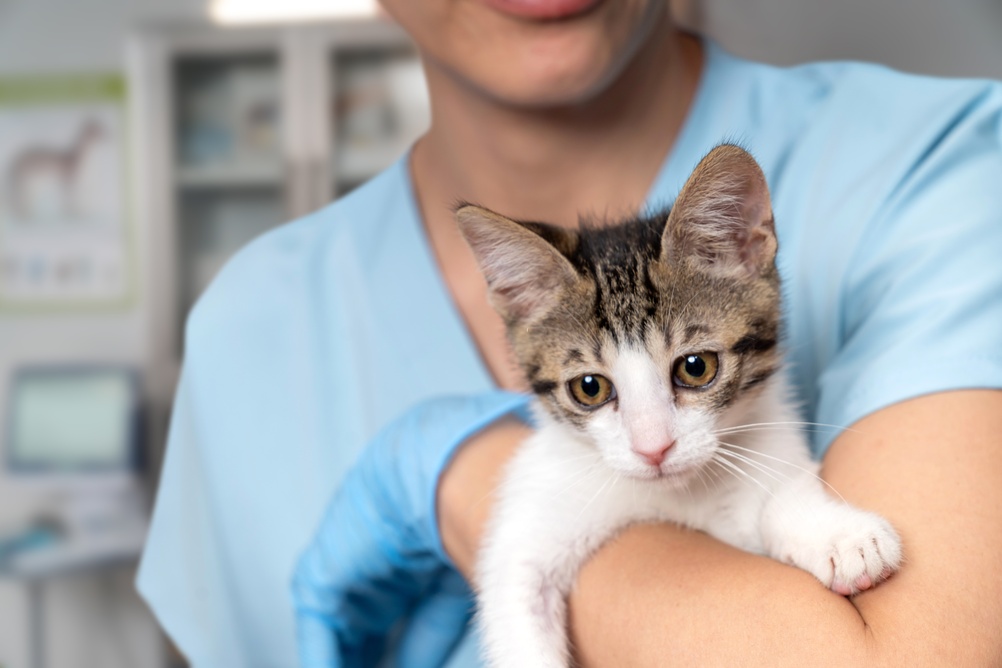
How We Handle Every Surgical and Dental Case
Before We Recommend Anything
Every case starts with a thorough physical exam and a review of your cat’s health history. Dr. Kilgore takes time to understand what symptoms brought you in, how long they’ve been going on, and what treatments or tests your cat has already had. We don’t make a recommendation until we have a full understanding of what’s going on with your cat.
A Plan Built for Your Cat
Once the evaluation is done, we build a treatment plan around your cat’s age, overall health, and condition. Dr. Kilgore walks you through the recommended procedure, the anesthesia approach, and any pre-surgical needs such as bloodwork or imaging. You’ll know what’s planned and why before anything is scheduled.
Performing the Procedure
On the day of surgery or dental treatment, your cat gets an individualized anesthesia plan chosen to minimize risk based on their health. We monitor vitals continuously, and every step is done with the care cats need. We keep the environment calm and controlled so the experience stays steady and low-stress.
Guiding Recovery at Home
Before your cat leaves, you’ll get specific instructions covering activity limits, wound care, medication schedules, and feeding. Recovery looks different for each procedure, so your cat’s discharge instructions are written to fit theirs. Knowing what to watch for at home helps you care for your cat while they heal.
After Your Cat Goes Home
We schedule a follow-up visit to make sure healing is on track and to answer any questions that have come up since discharge. Dr. Kilgore reviews recovery milestones at this visit and adjusts the plan based on how your cat is doing. You’re always welcome to reach out between appointments. We’re happy to hear from you.
Why Choose Us
Cats aren’t small dogs, and they shouldn’t be treated like them. Their bodies, pain responses, and stress levels are different enough that the environment, protocols, and approach used during surgery or dental care can affect how well they handle a procedure and how smoothly they recover. Because we focus on cats, our anesthesia protocols, our handling, and our whole approach are built for them. That makes a real difference in how your cat does.
Every decision we make is based on what’s best for your cat. Dr. Kilgore has deep experience with cats, including simple neuters and complex soft tissue surgeries that need careful reconstruction. You’ll always get honest, clear communication about your cat’s condition and your options, so you can make decisions with confidence. Our team puts cats first, every day.
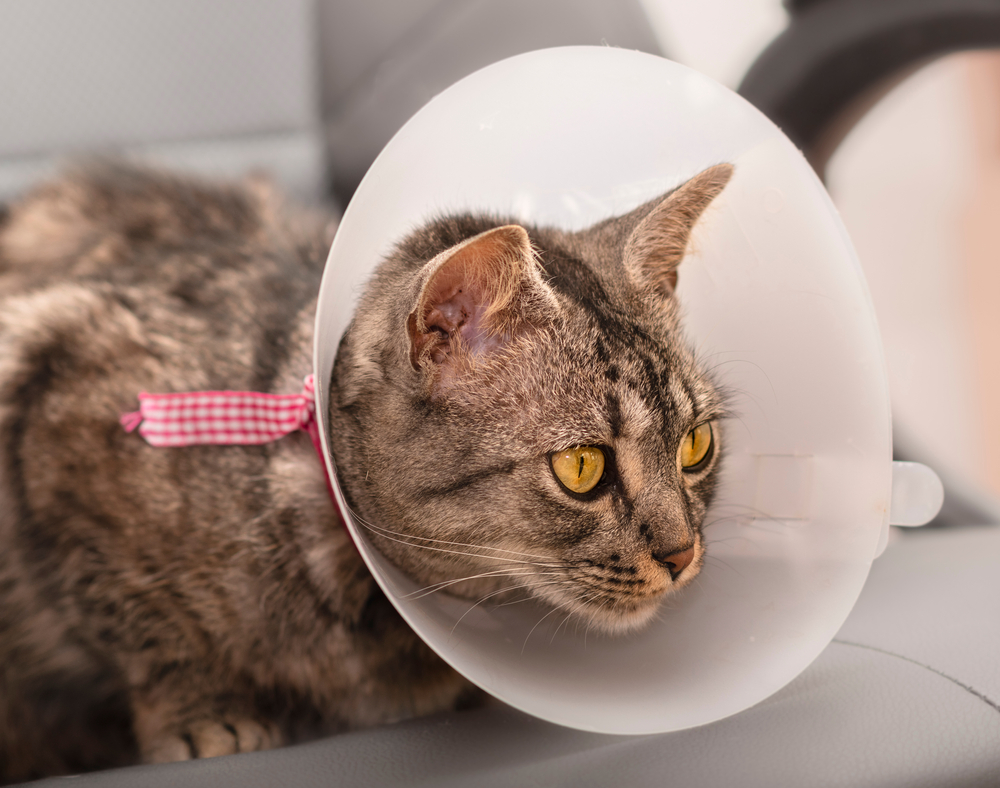

Ready to book your Cat’s visit?
Putting off a dental cleaning or a surgical evaluation rarely makes things simpler. For most cats, it means more discomfort and fewer options later. Dr. Kilgore and the team at Cat Care of Fayette are here to give your cat the cat-focused care they deserve.
Book your cat’s appointment today at 770.716.5651 and give your cat a chance to feel their best. Find us on Facebook for cat health tips, practice updates, and a look at some of our patients.
FAQs
Why shouldn't you feed a cat before surgery?
An empty stomach lowers the risk of your cat inhaling stomach contents while under anesthesia, which can be serious and even life-threatening. We’ll give you specific fasting instructions based on your cat’s age, weight, and health. Following them closely is one of the most important things you can do to keep your cat safe.
Can cats have water before surgery?
Most cats can have water until a few hours before surgery, but we’ll give you the exact cutoff time for your cat. Water helps keep your cat’s organs working well during anesthesia. Always follow the instructions you get at your appointment, since they can vary by procedure.
How much does cat surgery cost?
The cost depends on the type of procedure, your cat’s overall health, and which tests are needed beforehand. A straightforward spay or neuter costs significantly less than complex soft tissue surgery. Your estimate will cover things like the exam, pre-surgical tests, anesthesia, and medications. The best way to get an accurate number is to schedule a consultation, where we can evaluate your cat and walk you through the expected costs.
How much is a cat's dental cleaning?
The cost depends on how much dental disease we find, whether extractions are needed, and any additional treatment. Because cleanings are done under general anesthesia, anesthesia fees and pre-anesthetic bloodwork are typically part of the total. A pre-dental exam gives you a better idea of what to expect before the day of the procedure.
How often do cats need dental cleaning?
Most cats do well with a professional cleaning once a year, though cats with more dental disease may need them more often. Diet, genetics, and home dental care all affect how quickly tartar and disease build up. We can check your cat’s mouth during a routine exam and recommend a cleaning schedule.
How long does a cat's dental cleaning take?
A cleaning usually takes one to two hours in total, including anesthesia, the cleaning itself, and early recovery. It can take longer if your cat needs extractions or other treatment. We monitor your cat closely the whole time, and most go home the same day once they’re fully awake and steady.
