
Unlike dogs, cats rarely show pain or illness in obvious ways, which makes accurate testing essential. At Cat Care of Fayette, Dr. Brittney Kilgore, DVM, and her team use advanced imaging and lab technology, along with handling suited to feline patients. Every test, image, and result is handled carefully and gently. When something seems off with your cat, you deserve real answers, and we’re here to help you get them.
Imaging and Diagnostics
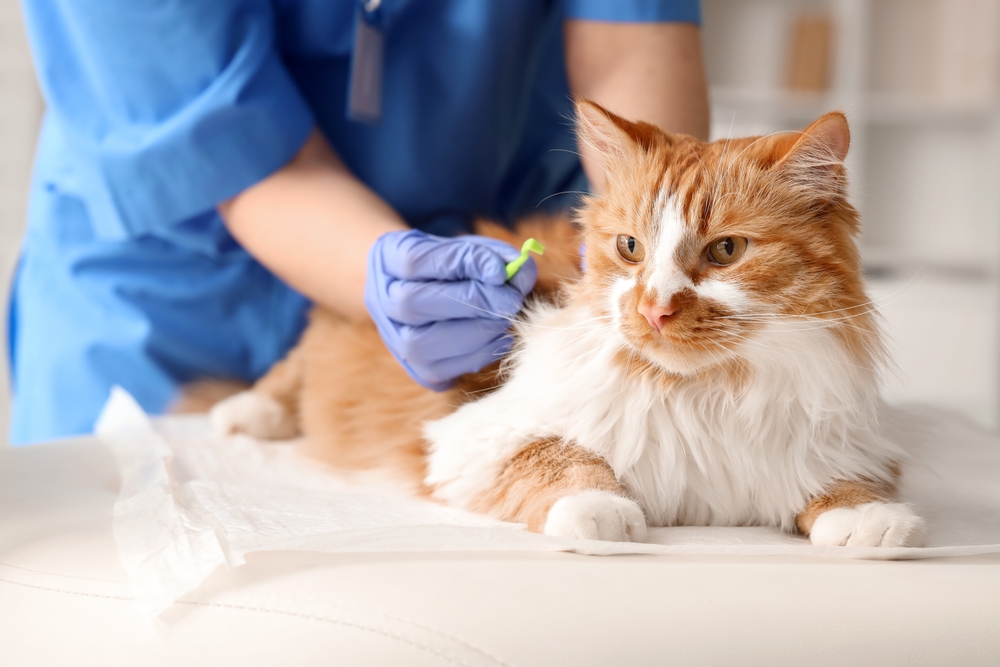
How Diagnostics Fill the Gaps a Physical Exam Can’t

A physical exam tells your veterinarian a great deal. Your cat’s weight, coat condition, heart rate, lymph node size, and pain response all provide useful clinical information. But many serious feline conditions leave no outward trace in the early stages. Kidney disease, bladder infections, respiratory inflammation, and internal masses can develop silently, and bloodwork, urinalysis, or imaging is often the only way to detect them before symptoms become severe.
Diagnostic testing also takes the guesswork out of treatment decisions. When a vet can get a clear picture of what’s happening inside through lab values, X-ray findings, or ultrasound scans, treatment becomes targeted rather than trial-and-error. For cats, who tolerate illness quietly and stress easily, getting it right the first time matters.

Diagnostics Built for the Complexity of Cat Health
Cat Care of Fayette provides a full range of services, from fast in-house testing to advanced imaging and specialized lab panels. Each service is designed for cats, so you get accurate results with as little stress as possible for your cat. Whether your cat needs a quick check on one concern or a broader look at their overall health, we match the testing to the situation.
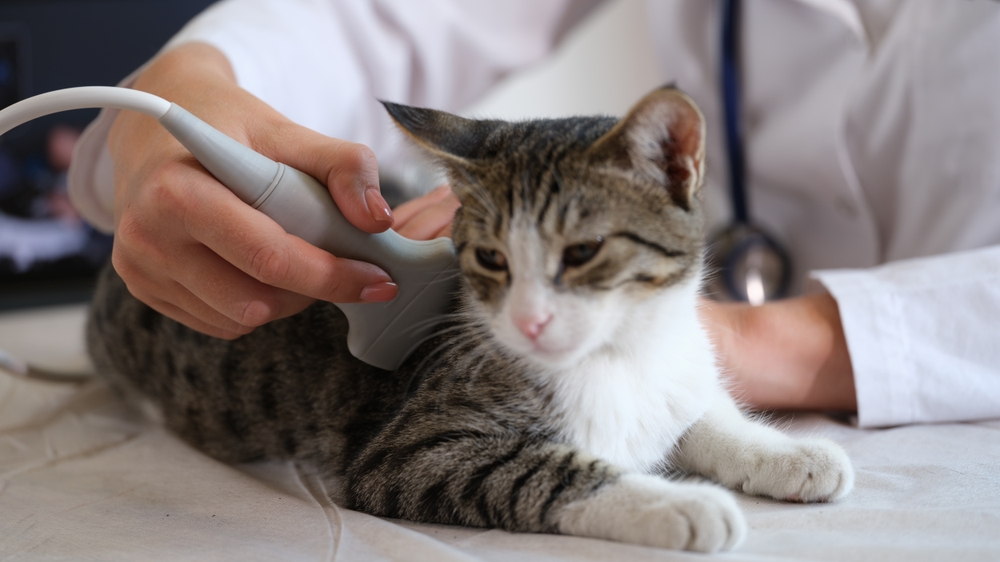
Inside a Diagnostic Visit at Our Clinic
Reviewing Your Cat's History and Symptoms
Before any testing begins, we take time to understand your cat’s full health picture. Dr. Brittney Kilgore, DVM, reviews your cat’s medical history and asks detailed questions about what you’ve noticed at home, including changes in appetite, litter box habits, energy levels, or behavior. What you tell us in this conversation matters just as much as anything our equipment can measure.
Choosing the Right Tests for Your Cat
Not every cat needs the same workup, and we don’t treat testing as a checklist. Based on your cat’s history, physical exam findings, and current symptoms, we choose the most relevant tests, whether that’s bloodwork, urinalysis, imaging, or a combination. You’ll know what we’re running and why before anything gets started, and you’re always welcome to ask questions along the way.
Performing Diagnostics Gently and Efficiently
Our team is trained in low-stress handling techniques that make testing calmer for your cat. Blood draws, X-rays, and ultrasounds are done with patience and care, keeping your cat as relaxed as possible throughout. Dr. Kilgore and her team work efficiently so your cat spends as little time as possible in an unfamiliar setting.
Walking You Through the Results
Once results are ready, we sit down with you and explain what they mean in plain language. We cover what the findings confirm, what they rule out, and what the recommended next steps look like. Our goal is for you to leave understanding your cat’s health, with fewer questions than you came in with, not more.
Keeping an Eye on What Comes Next
For cats with ongoing conditions, follow-up testing is an important part of tracking how well treatment is working. We recommend a recheck schedule based on your cat’s specific situation, and we keep thorough records so we can compare results over time and spot changes early. Regular monitoring helps us catch small shifts before they turn into bigger problems.
Why Choose Our Approach to Imaging and Diagnostics
At Cat Care of Fayette, we focus exclusively on cats, which means everything about our approach to testing is built with feline patients in mind. Cats experience stress differently than dogs, and a clinic designed around their needs helps them stay calmer, which leads to more reliable results. Our quiet environment, experienced staff, and cat-focused protocols all work together to make what can be a stressful visit as calm as possible.
Dr. Brittney Kilgore, DVM, brings both clinical expertise and real care to every case. Whether your cat is coming in for routine wellness screening or a complex workup, our team will work to find answers with the same attention we’d give our own pets. We combine advanced in-house technology with access to specialized affiliate labs, so you get thorough, accurate results without traveling to a specialty center in most cases. You deserve a team that takes your cat’s health as seriously as you do.

Don’t Wait for Symptoms to Get Louder!
The earlier a condition is caught, the more treatment options are available. Dr. Brittney Kilgore, DVM, and the Cat Care of Fayette team use targeted imaging and testing to find out what’s happening before it becomes harder to manage. We regularly share practical feline health tips on our Facebook page. To book your cat’s appointment, call us at 770.716.5651.
FAQs
How to diagnose FIP in cats?
Feline infectious peritonitis (FIP) is diagnosed through a combination of clinical signs, bloodwork, and specialized testing. We look for characteristic changes in protein levels and white blood cell counts, and we analyze any fluid that has built up in the chest or abdomen. Confirmation often requires PCR testing or immunohistochemistry, which can be done through the advanced lab panels available from our affiliate labs. Because FIP can look like other conditions, a careful, step-by-step workup matters.
How do vets diagnose asthma in cats?
Asthma in cats is most commonly diagnosed with chest X-rays, which often show a characteristic bronchial pattern in the lungs. We also consider your cat’s history and symptoms, such as coughing or wheezing, and may recommend additional testing to rule out other respiratory conditions. In some cases, a bronchoalveolar lavage, which is a fluid sample taken from the airways, helps confirm the diagnosis and check for underlying infections.
How do vets diagnose UTI in cats?
Urinary tract infections in cats are primarily diagnosed through urinalysis, which checks the urine for bacteria, white blood cells, and other abnormalities. We may also recommend a urine culture to identify the specific bacteria involved and choose the most effective antibiotic. For cats with recurring urinary problems, X-rays or ultrasound can help rule out bladder stones or structural issues that an infection alone wouldn’t explain.
How do they X-ray a cat?
To X-ray a cat, we position your cat on a flat surface while a digital sensor captures images of the area being examined, such as the bones, chest, or abdomen. Your cat is held gently but securely in the correct position to get a clear, usable image, and the process is typically very quick. Most cats tolerate X-rays well, and we’ll let you know ahead of time if your cat’s temperament or the area being examined calls for extra help.
How much is an X-ray for a cat?
The cost of a cat X-ray depends on how many views are needed, the area being examined, and whether sedation is required. Because every cat’s situation is different, we encourage you to contact Cat Care of Fayette directly for current pricing. We’re happy to explain what’s included and what to expect before your cat’s visit, so there are no surprises when it’s time to check out.
Do cats need to be sedated for an X-ray?
Many cats can be X-rayed without sedation, especially for straightforward views of the chest or limbs. Sedation may be recommended if your cat is very anxious, in significant pain, or needs precise positioning for a complex area like the spine or skull. Dr. Kilgore will assess your cat’s temperament and the type of X-ray needed before deciding whether sedation is the safest and most effective option.
