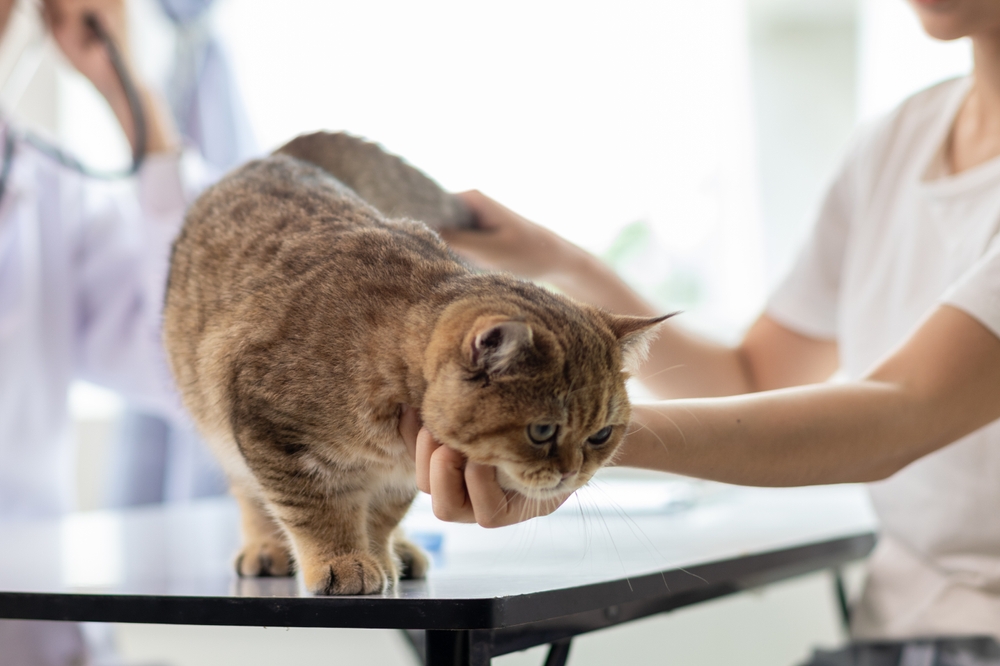
Hospitalization

Deciding to leave your cat in someone else’s care overnight isn’t easy, even when you know it’s the right call. Brittney Kilgore, DVM, and the team at Cat Care of Fayette take that responsibility seriously. Every hospitalized cat receives hands-on attention, individualized treatment, and the kind of focused feline care that only a cat-exclusive practice can offer.

You get honest communication about your cat’s progress, because you deserve to know how they’re doing. From the moment your cat is admitted until the day they go home, our goal is to keep your cat comfortable and keep you informed.

Request Appointment

What Sets Inpatient Feline Care Apart

Inpatient care goes beyond what any office visit can provide. When a cat is admitted, they have on-site access to diagnostic equipment, IV therapy, injectable medications, and a trained team that can respond right away if their condition changes. That level of support requires a clinical setting and can’t be replicated at home, even by the most attentive owner.

What makes feline inpatient care different is how it accounts for the way cats respond to illness and stress. Cats are sensitive animals. They hide pain, stop eating when they’re stressed, and can decline quickly without visible warning. Inpatient care is structured around catching those changes early, adjusting treatment in real time, and keeping your cat stable in a controlled environment designed for their recovery.

Your Cat’s Care From Admission to Discharge

Assessing Your Cat Before Admission

Before your cat is admitted, Dr. Kilgore performs a thorough physical examination to understand what’s going on with your cat. We review your cat’s health history, ask about symptoms you’ve observed at home, and run any necessary diagnostics, such as bloodwork, urinalysis, or imaging, to get a complete picture. If you’ve noticed changes in appetite, energy, or litter box habits, share them with us, because those details help guide the diagnosis. This assessment gives us a clear starting point for treatment.

Tailoring Treatment to Your Cat's Condition

Every cat presents differently, and their care plan should reflect that. Based on the exam findings and diagnostic results, we outline the specific treatments, medications, fluid therapy, and monitoring protocols your cat will receive during their stay. We walk you through the plan before admission so you know what we’re doing and why, with room for your questions.

Active Treatment and Ongoing Monitoring

Once admitted, your cat receives consistent, hands-on care throughout their stay. Medications are administered on schedule, fluid levels are managed, and your cat’s vitals and behavior are assessed regularly by our team. Dr. Kilgore reviews their progress and adjusts the treatment plan as needed based on how your cat is responding.

Setting You Up for a Smooth Recovery at Home

Before your cat goes home, we make sure you feel prepared to continue their care. We review all medications, feeding instructions, activity restrictions, and any physical changes to watch for after your cat leaves our clinic. You leave with written instructions and a clear understanding of what the next few days should look like for your cat. If anything is unclear once you’re home, call us and we’ll help.

The Importance of Post-Hospitalization Checkups

A follow-up appointment allows Dr. Kilgore to confirm that your cat is recovering as expected once they’re back in their home environment. We recheck any relevant lab values, assess healing, and address any concerns that have come up since discharge. Skipping this step can lead to cats being readmitted, and a brief checkup can catch a setback before it becomes a serious problem.

Why See Us for Your Cat’s Hospitalization

Most general veterinary clinics are built to handle a wide range of species, which means their protocols, staffing, and environment are designed as a compromise. A dog barking in the next kennel, unfamiliar scents, and a busy mixed-species ward are details that seem minor but can significantly slow a cat’s recovery. Cats are stress-sensitive animals, and a hospital environment that doesn’t account for that can work against the very treatment being provided.

At a cat-exclusive practice, none of that is a factor. Every decision made at Cat Care of Fayette, from how we set up recovery spaces to how we handle and monitor patients, is made with feline physiology and behavior in mind. Cats are the only patients Dr. Kilgore and our team see, and that focus shows in the quality of care your cat receives from the moment they’re admitted to the moment they go home.

FAQs

How much does cat hospitalization cost?

The cost of a hospital stay for your cat varies depending on the reason for the stay, the length of time, and the treatments required. Conditions that need close monitoring, IV fluids, or frequent diagnostics will typically involve higher costs than a brief observation period.

We provide a detailed estimate before your cat is admitted so you know what to expect, and we’re happy to walk you through what is included in the cost.

Can I visit my cat while they're hospitalized?

Visitation policies depend on your cat’s condition and what our team believes will be in their best interest during recovery. Some cats are comforted by brief visits from their owners, while others may become more anxious or unsettled by the transition.

We assess each situation individually and will let you know what we recommend based on how your cat is responding to treatment and their current medical status. If visits aren’t recommended, we’ll keep you updated on how your cat is doing.

How long should my cat be in the hospital for catheterization?

Cats typically remain in the hospital for 24 to 72 hours following urinary catheterization, though the timeline depends on how quickly they stabilize. After the blockage is relieved, we monitor for complications, make sure the cat can urinate on their own, and assess kidney function before discharge.

Some cats may need a longer stay if they experience recurring obstruction or significant kidney involvement related to the blockage.

Should a cat with blood in its urine be hospitalized?

Blood in a cat’s urine, a condition known as hematuria, doesn’t always require your cat to be admitted, but it should be evaluated promptly. If the cause is a urinary blockage, severe infection, or significant trauma, a hospital stay is likely necessary to treat it safely.

We perform a thorough exam and diagnostics to determine the underlying cause and recommend the appropriate level of care based on the severity of your cat’s symptoms.

Why do cat hospitals hold a cat for 30 days?

Cats aren’t normally held that long. A 30-day hold is typically required only in situations involving a potential rabies exposure or bite incident, in accordance with local and state public health regulations. This observation period allows veterinary staff to monitor the animal for signs of rabies, which can’t be confirmed through a test on a living animal.

This protocol exists to protect both human health and the wellbeing of other animals, and it is a legal requirement in many jurisdictions rather than a discretionary clinic policy.